

A reliable camping knife is an essential tool for any outdoor adventure and is a recommended item on your camping checklist. It’s a versatile piece of equipment that can help with everything from food preparation to shelter building.
Several factors come into play when selecting a camping knife. The blade material, handle design, and overall weight are crucial considerations.
A good camping knife should be durable enough to withstand harsh outdoor conditions while remaining lightweight and easy to carry. The blade’s sharpness and ability to retain its edge are also important features to look for.
We’ve spent countless hours researching various camping knives to identify the best combination of functionality, durability, and value. We aim to help you find the perfect camping knife to enhance your outdoor adventures.
Best Camping Knives
- Smith & Wesson Extreme Ops Folder
- Mossy Oak 10 inch Knife
- KEXMO Rosewood Tactical Folder
- KastKing Folding Fillet Knife
- CIVIVI Mini Praxis
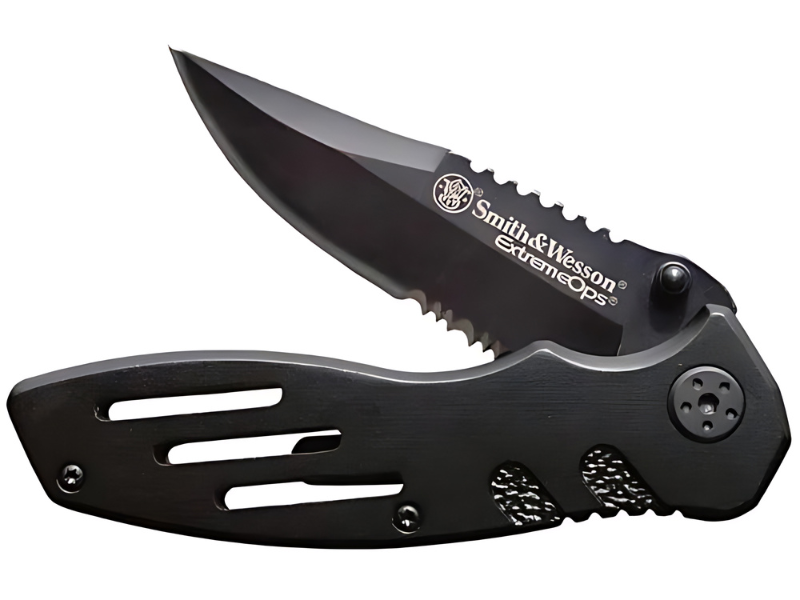
Smith & Wesson Extreme Ops Folder
Pros
- Sturdy and durable construction
- Sharp, partially serrated blade
- Ambidextrous design
Cons
- Slightly stiff opening mechanism
- Smaller than some might expect
- Liner lock may need adjustment
The 3.1-inch high carbon stainless steel blade holds an edge well and easily tackles most cutting tasks.
The black aluminum handle provides a solid grip, even in wet conditions. We appreciate the ambidextrous thumb knobs and index flipper, making it easy to deploy the blade quickly.
The pocket clip is sturdy and keeps the knife securely in place during hiking.
At just 3.5 ounces, this knife is lightweight enough for everyday carry. We’ve found the partially serrated edge handy for cutting through rope and cordage at camp. The liner lock feels secure, though some users may need to adjust it for optimal performance.
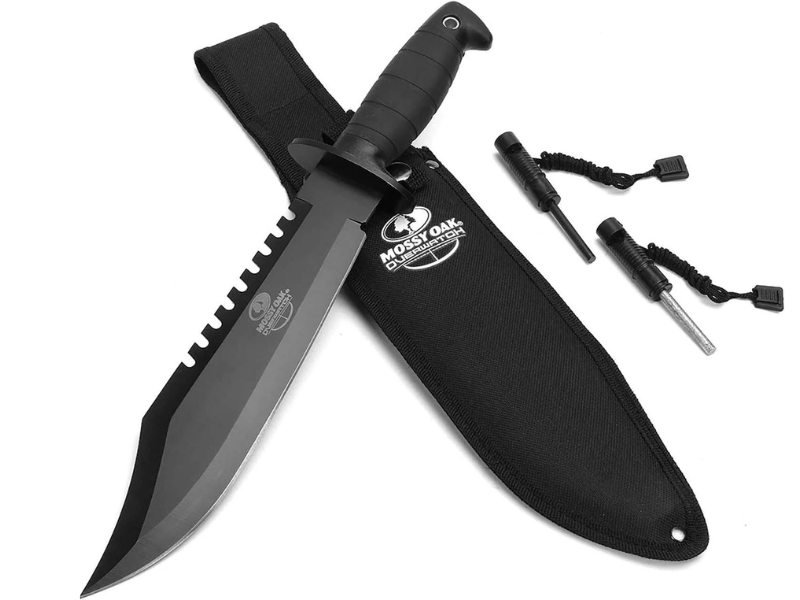
Mossy Oak 10 inch Knife
Pros
- Durable 10-inch stainless steel blade
- Comfortable non-slip rubber handle
- Includes sheath, sharpener, and fire starter
Cons
- May be too large for some users
- Requires initial sharpening
- Hefty weight at 16.8 ounces.
The 10-inch stainless steel fixed-blade knife is well-suited for challenging outdoor tasks like chopping kindling and clearing small brush. We also appreciated the sawback feature, which was handy for cutting through those small branches.
The rubber handle provides a secure grip, even in wet conditions. It’s comfortable to hold during extended use, reducing hand fatigue while working around camp.
The nylon sheath included is sturdy and allows for easy belt carry.
We found the sharpener and fire starter included to be nice additions. The knife needs some initial sharpening out of the box.
At 15 inches overall and weighing nearly a pound, there are more packable options for ultralight backpackers. But this knife’s heft works great for car camping or survival situations. It’s a solid value for outdoor enthusiasts looking for a versatile fixed-blade knife.
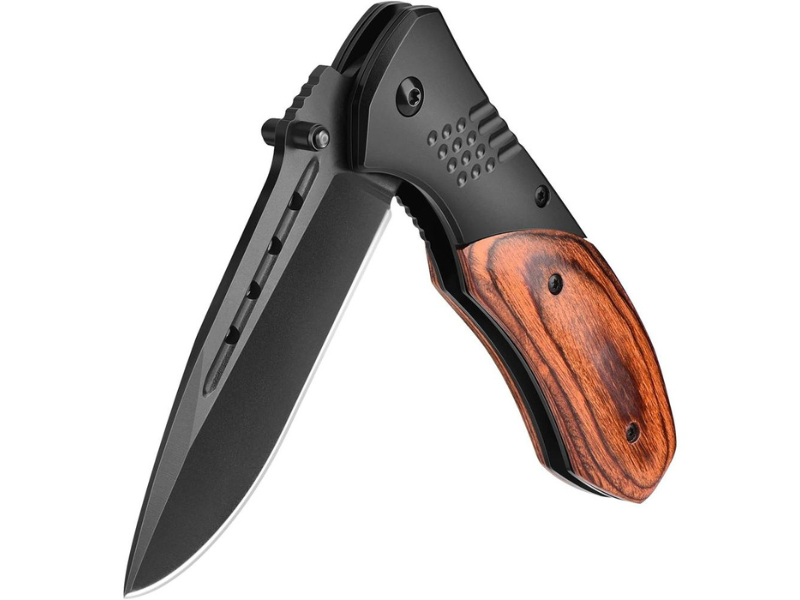
KEXMO Rosewood Tactical Folder
Pros
- Sharp, durable 3Cr13 stainless steel blade
- Comfortable rosewood handle with a secure grip
- Versatile for various outdoor tasks
Cons
- Slightly heavy for its size
- Blade may require frequent sharpening
- Bulkier than some EDC options
The 3.46-inch blade easily sliced through rope and whittled kindling. Its razor-sharp edge also made quick work of food prep tasks around the campfire.
The rosewood handle is praised for its comfort. According to customer reviews, its ergonomic design with finger indentations provides a secure grip, even when wet.
We appreciated the ambidextrous thumb stud and finger flipper, which made opening the case easy with one hand. The liner lock kept the blade firmly in place during use.
At 5.68 ounces, it’s hefty for its size. But that extra weight creates a sturdy feel that inspires confidence during heavy-duty tasks.
We found the pocket clip handy for keeping the knife accessible on our belts or backpack straps.
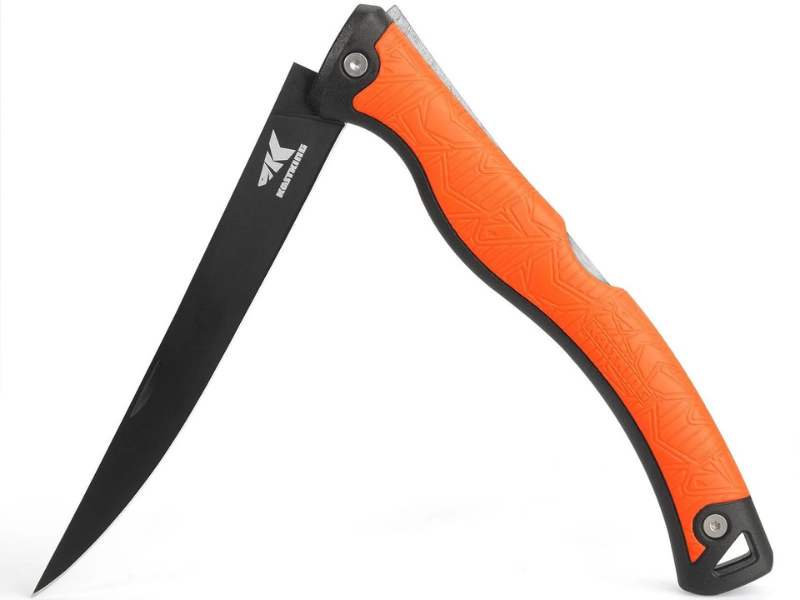
KastKing Folding Fillet Knife
Pros
- Razor-sharp G4116 German stainless steel blade
- Compact folding design for easy storage
- Durable non-slip grip for safe handling
Cons
- Slightly heavy at 8.1 ounces
- May be too long for some users when unfolded
- Limited color options
The 6.5-inch blade is impressively sharp right out of the box, quickly filleting fish and preparing camp meals.
What sets this knife apart is its folding mechanism. At 13.5 inches when fully extended, it offers the functionality of a full-sized fillet knife. Yet it folds to just 7.5 inches, easily fitting into our backpack or tackle box. The included sheath adds an extra layer of protection and convenience.
We appreciate the thought put into the handle design. The non-slip TPE rubber grip feels secure, even when wet.
The corrosion-resistant finish on the blade is a nice touch, ensuring the knife will withstand the elements during our outdoor adventures.
While it’s heavier than some ultralight options, its durability is worth the trade-off.
CIVIVI Mini Praxis
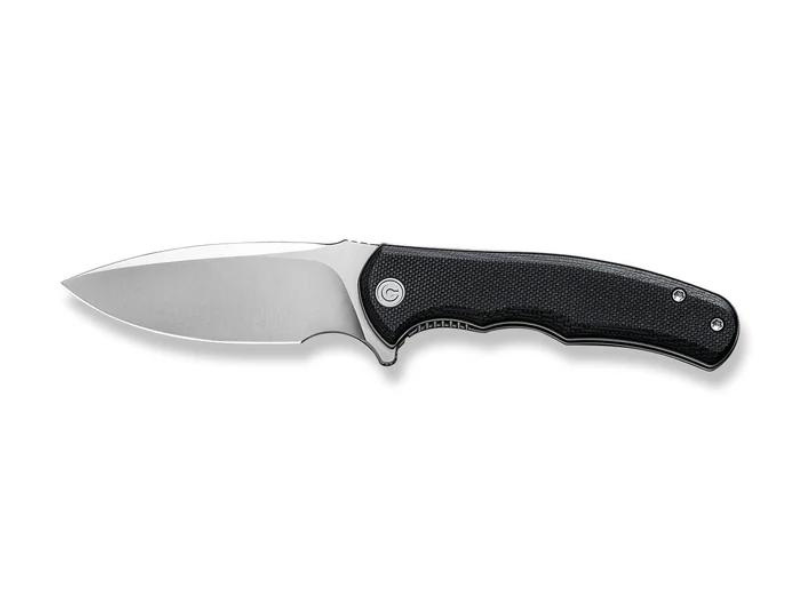
Pros
- Sharp D2 steel blade with excellent edge retention
- Smooth one-handed operation with ceramic ball-bearing pivot
- Comfortable and durable G10 handle
Cons
- Smaller size may not suit all hand sizes
- D2 steel requires more maintenance than stainless options
- Limited color options
The 2.98-inch D2 steel blade holds an edge remarkably well, even after challenging cutting tasks around camp. We love how easily it slices through cordage and whittles wood for kindling.
The G10 handle provides a secure grip, even when our hands are wet or muddy. It’s comfortable to use for extended periods without causing fatigue.
The flipper deployment is smooth and snappy, allowing for quick one-handed opening when needed.
At just 4.1 ounces, the Mini Praxis weighs just enough to be barely noticeable in a pocket during long hikes. The deep-carry pocket clip keeps it secure and out of the way.
While some might prefer a larger knife, its compact size is perfect for most camping and hiking tasks without adding unnecessary bulk to our hiking gear.
How We Chose the Best Camping Knives
We scoured the market and researched dozens of knives to bring you the top picks for camping. Our criteria focused on blade quality, durability, versatility, and value.
We looked for high-carbon stainless steel blades that hold an edge well and resist corrosion.
For fixed blades, full-tang construction was a must for strength and reliability in the backcountry; for folding knives, a solid lock mechanism was essential. We favored knives with comfortable, grippy handles and valuable features like lanyards or sheaths.
Buying Guide
When you’re looking at buying a camping knife, you must consider several key factors:
Blade Material: We always look for high-quality steel. Stainless steel resists corrosion, while carbon steelholds an edge longer.
Blade Length: A 3-4 inch blade is versatile for most camping tasks. Longer blades offer more cutting power but can be unwieldy.
Handle Comfort: We prefer ergonomic handles with a secure grip, even when wet.
Weight: A lightweight knife is easier to carry, but heavier ones can be more durable.
Tang: Full-tang knives, where the blade extends through the handle, offer superior strength.
Here’s a quick comparison of common blade materials:
| Material | Corrosion Resistance | Edge Retention | Ease of Sharpening |
| Stainless Steel | High | Moderate | Easy |
| Carbon Steel | Low | High | Moderate |
| Tool Steel | Moderate | High | Difficult |
We also consider the knife’s intended use. For general camp tasks, a fixed blade is often our go-to. For backpacking, we might opt for a lighter folding knife.
Lastly, based on specs and customer reviews, comfort and balance in hand are essential. A well-balanced knife feels like an extension of the arm, making tasks easier and safer.
TL;DR
A reliable camping knife is a versatile tool from food preparation to shelter-building tasks. The ideal camping knife combines durability, functionality, and ease of use, with key factors including blade material, handle design, and overall weight. High-quality steel, comfortable grips, and the right balance between sturdiness and portability are crucial elements to consider when selecting your perfect outdoor blade.
Our comprehensive research has identified several top contenders in the camping knife market. The Smith & Wesson Extreme Ops Folder offers a compact and reliable option for everyday carry, while the Mossy Oak 10-inch Knife provides a robust fixed-blade solution for more demanding tasks. The KEXMO Rosewood Tactical Folder combines performance with classic aesthetics for those seeking a balance between functionality and tradition. The KastKing Folding Fillet Knife stands out for its specialized design, which is perfect for anglers and camp chefs. Lastly, the CIVIVI Mini Praxis impresses with its premium materials and sharp design.
FAQs
What features should I look for in a high-quality camping knife?
How do I choose the right camping knife for my needs?
What are some recommended materials for durable and reliable camping knives?
Is there a difference between survival knives and camping knives?
What maintenance tips can you offer for keeping a camping knife in optimal condition?
Keep the blade dry and lightly oiled to prevent rust. You should also sharpen it regularly with a whetstone or field sharpener.
Check the handle for any loose screws or damage. Then, store your knife in a dry place, preferably in a protective sheath.