
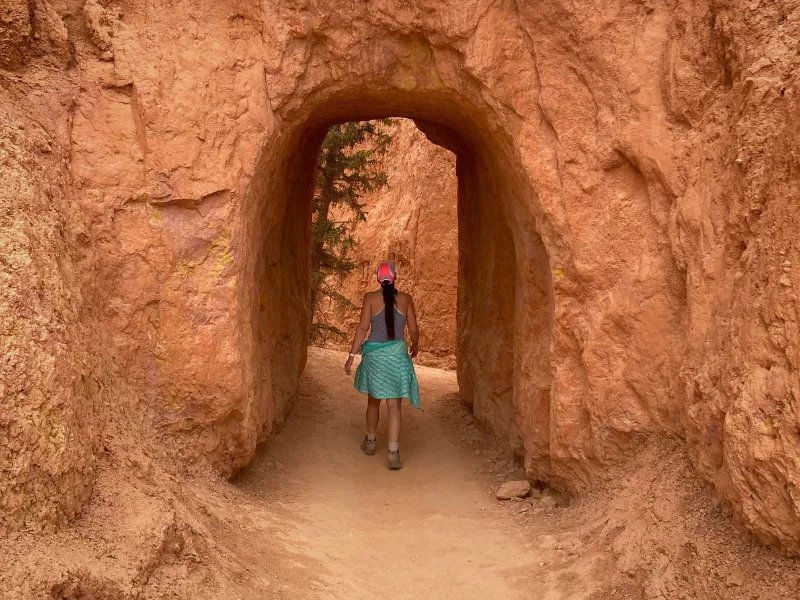
Hiking as a beginner can be overwhelming or scary, but it is a great way to enjoy nature, exercise, and hang out with physically active friends.
I have been hiking for almost four decades and have explored hundreds of trails throughout the USA. I love hiking and want to share my passion and knowledge with you. I will give you some tips on how to start hiking, choose a hike, what to bring, what to wear, how to hike safely and responsibly, and how to have fun with kids and dogs.
Contents
How to Choose a Hike?
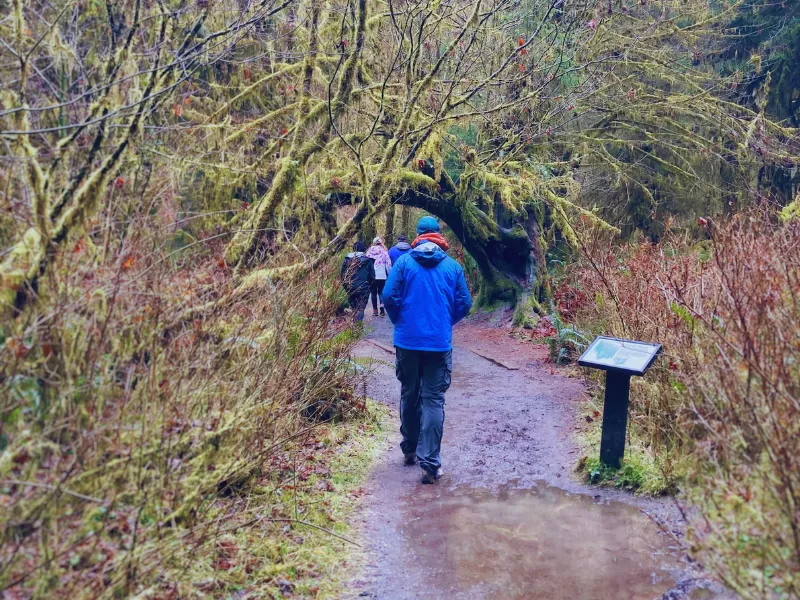
1) Find hikes nearby
You want to find a local hike if you’re starting out hiking. There are lots of ways to find hikes, but here are some suggestions for finding a great hike:
- Friends or co-workers
- Local guidebooks
- Local/regional hiking websites such as Washington Trails Association
- Alltrails or the Hikingproject
- Hiking groups on Facebook
- Other outdoor/hiking blogs thru googling
2) Choose a hike that fits your fitness level
Generally, you want to do a relatively easy hike for your first hike. It’s best to underestimate your fitness level and gradually explore more challenging hikes as you get experience. Hiking is endurance walking, so consider how far you think you can walk comfortably.
3) Choose a short, easy local hike
Start small and easy for your first hikes. A successful hike involves many little details, including finding the trailhead and parking, walking on uneven ground, carrying a pack, and endurance walking.
4) Consider how much time you plan to hike
Most people hike 2-3 miles an hour with occasional breaks. I recommend a 2-5 mile hike at most for your first hike, which should take about 2-3 hours round trip. Try to start your hike in the early morning when the sun is starting to rise. This gives you plenty of time to do your hike, and the parking is usually easier.
5) Evaluate hike length and elevation gain
Remember to include the distance it takes to get back. Also, look at the total elevation gain. I would recommend a hike with only 300-500 ft of elevation gain for your first hike.
6) Check on roads and parking situation to get to hike
Parking for the most popular hikes usually fills up mid-morning on the weekends. Also, many hikes require driving on dirt roads and may require a high-clearance vehicle. Many user trail reports will include something about the parking and road situation.
7) Check the weather
This helps you decide what layers to bring and anticipate possible inclement weather. I generally use NOAAfor the best weather info.
What Gear to Bring on a Hike?
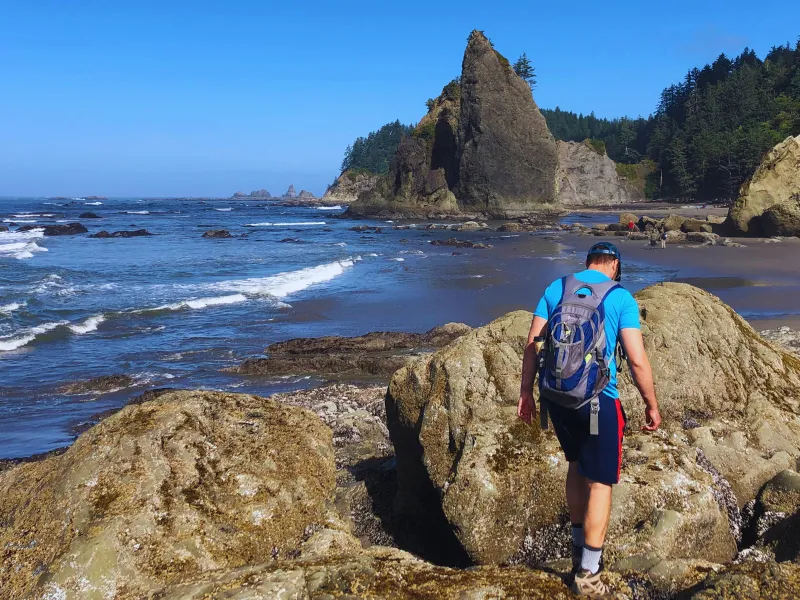
1) Water bottle
Plan to drink about ½ liters of water per hour of hiking. To avoid dehydration, you must bring at least a 1-liter water bottle and probably more if you’re hiking longer or the weather is hot.
2) Backpack
If you’re exploring hiking, any backpack will carry your stuff. A 10-20 liter day pack with waist and chest straps might be a great investment in your future hiking adventures.
3) Rain gear and clothing layers
After you check the weather, you’ll know better what clothing to bring. The idea is always to stay warm and dry. Always bring rain gear, even if it’s just an emergency poncho (it can also serve as an emergency shelter).
4) Snacks
High-calorie, energy-dense snacks are the best, but the type of snack isn’t too important. Bring snacks you enjoy. I like dehydrated fruit because is lightweight and tasty. Consider bringing lunch, too.
5) Phone with map/navigation
Bring your phone for pictures. I usually hike with my phone on airplane mode to save battery, so having offline/downloaded maps on my phone works best for trail navigation. I like the Alltrails app and Gaia GPS app. You can also download Google Maps for offline use.
6) Other hiking essentials
Check out the 11 Core Essentials for Most Hikesfor further ideas about what to bring on a hike.
What Clothes and Shoes Do You Need?
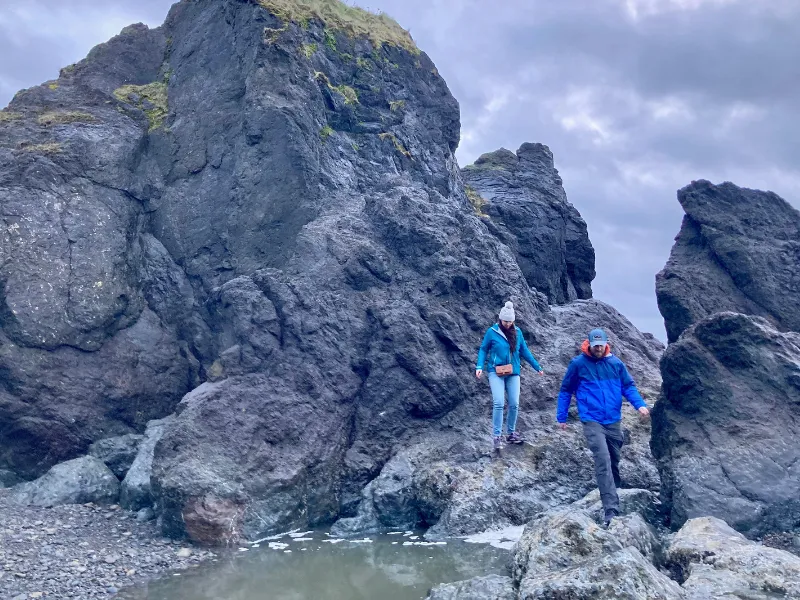
1) Wear a moisture-wicking base layer
Athletic clothing and hiking-specific clothing work great. You will probably sweat some, so consider what works well for you in that situation.
2) Bring a mid-layer
Mid-layers include long-sleeved t-shirts, sweatshirts, and anything you “layer” over your base layers or under your shell layer but can easily take off if you get hot.
3) Bring an outer shell layer
Shell layers include stocking hats, gloves, rain jackets, and puffy jackets.
4) Wear closed-toed shoes with some grip and sole support
Regular sneakers work okay if they have some support and grip. Keep in mind they will probably get dusty and dirty. Hiking shoes and boots are a highly recommended upgrade for hiking comfort and enjoyment.
How to Hike Safely?

1) Hike with a friend or let someone know where you’re hiking
Always tell someone where, when, and how long you plan hiking, especially hiking alone.
2) Stay on the trail
Seems obvious, but it’s easy to get off trail when trying to take that perfect picture or when going poop or pee. If you need to go off trail (such as going to the restroom), always maintain awareness of where the trail is by marking the trail and backtracking. Also, most animals and snakes avoid hanging out on the trail. If a snake is on the trail, it is usually more visible and is quickly passing on to safer terrain.
3) Carry and know how to use an offline map
Always have an offline map available that you can use on your phone or a physical map with a compass. You can download and print USGS topo maps for free, too.
4) Bring rain gear
You never know when it might rain in the wilderness. Even if the weather is perfect and the chance of rain is low, rain gear can still act as a windbreak or an emergency shelter.
What Trail Etiquette Should You Know?
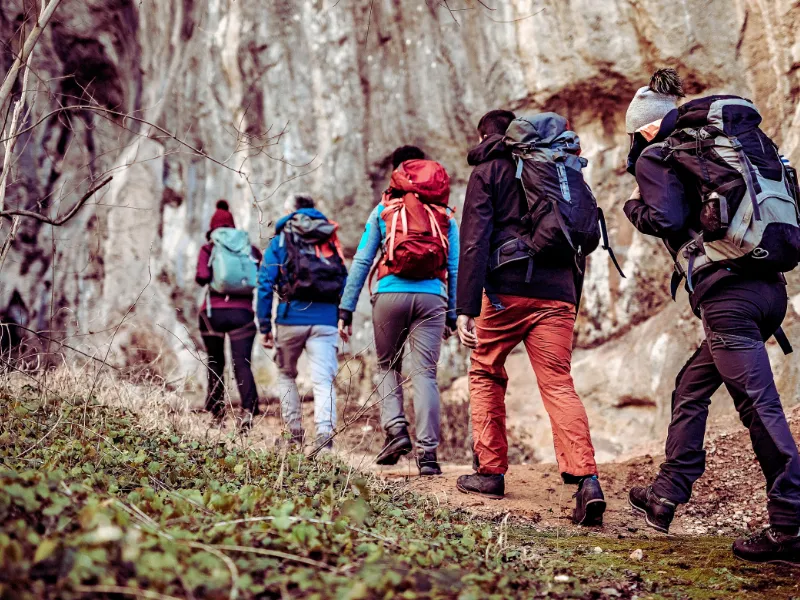
1) Hikers going uphill have the right of way.
Step aside to let uphill hikers pass [1]. They might defer, but don’t assume.
2) Hikers should yield to horses on the trail.
I can count on one hand the number of horseback riders I’ve seen on a trail, but occasionally, you’ll come upon one.
3) Bikes are supposed to yield to hikers.
Often, it’s easier to step aside and let them pass as they are usually moving through quickly.
4) Slow hikers should step to the side to let faster hikers and runners pass as needed.
Not everyone hikes at the same speed. Please be aware and let others pass by.
5) Consider others when playing music or speaking loudly.
Portable speakers work great at home or the park but are incredibly annoying to other hikers and scare wildlife. Leave them at home. Also, be considerate of others when talking or shouting loudly.
6) A smile and greeting go a long way in fostering community with other hikers.
Generally, most hiking people are friendly and share a love of the outdoors and nature.
How Can You Hike Responsibly?
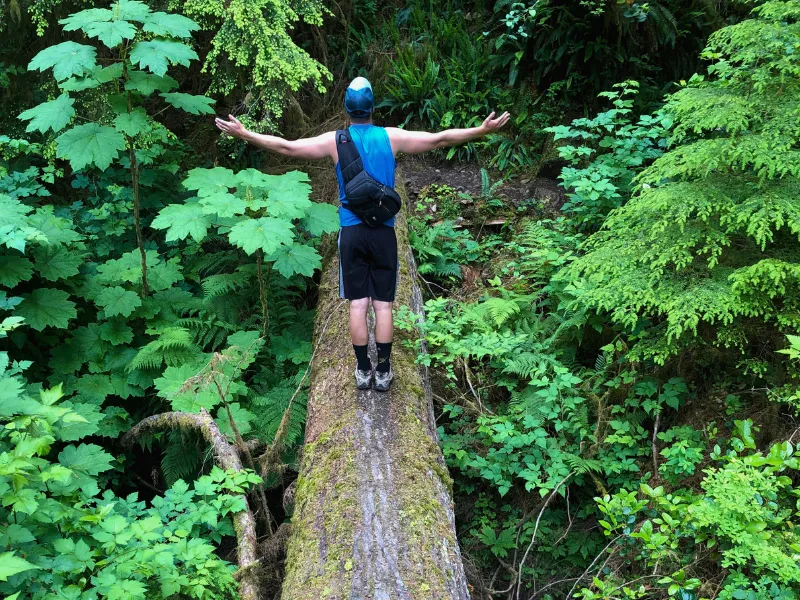
1) Follow Leave No Trace guidelines.
Leave No Trace provides a guide to responsibly enjoying the outdoors.
2) Watch wildlife from a distance and leave it alone
Generally, animals stay away from the hiking trails, but if you come upon an animal, be kind and leave it alone. Don’t feed animals, especially chipmunks and birds.
3) Pack out all trash and peels.
Fruit peels and trash take longer than you’d expect to decompose in the wilderness.
4) Don’t pee or poop on the trail.
Try to pee on rocks or other durable surfaces off the trail for smell and sanitation. Poop in the outhouse if available, or otherwise poop in a hole at least 200 ft from the trail, camp, or water sources.
5) Clean up and pack out dog poop.
Dog poop is similar to human poop, with a variety of diseases that can get into the local water.
How Do You Hike with Kids and Dogs?

Hiking with Kids
- Infants and toddlers can hike well in a baby carrier, but remember to add extra layers to keep them warm and dry.
- Bring extra diapers, wipes, and a change of clothes.
- Choose short hikes and stop often to enjoy nature.
- Keep kids within sight of adults.
- Teach kids what to do if they get lost.
- Remember to bring snacks and water.
Hiking with Dogs
- Check for dog-friendly trails.
- Always have your dog on a harness and leash.
- Bring poop bags and pack out your dog’s poop.
- Consider snacks and water for your dog.
- Learn more about hiking with dogs here.
Leave comments below about other beginner hiking tips and great beginner hiking trails in your area.
Other FAQs
What are some of the most common hiking mistakes?
– Overestimating your ability: Start with shorter, easier trails and gradually build up to more challenging hikes.
– Poor planning: Check the weather forecast, trail conditions, and park regulations before leaving.
– Inadequate gear: Dress in layers and bring water and a rain jacket. Consider learning how to use a map and compass, and bring a first aid kit along with the other hiking essentials.
– Overpacking: Packing too much can weigh you down and make your hike less enjoyable. Evaluate your gear and only take what’s necessary. Remember, the goal is to be prepared, not overburdened
– Leaving a Trace: Respect nature and practice Leave No Trace principles. This means packing out all your trash, staying on designated trails, and minimizing your environmental impact.