

A multi-room tent offers the ideal blend of space and privacy, making it especially suitable for families or groups of friends. These tents provide separate areas for sleeping and living, enhancing comfort duringoutdoor adventures.
We spent numerous hours researching the top multi-room tents to discover which ones provide ample space, durability, and comfort. Check out our favorites below to ensure an enjoyablecamping experience.
Contents
Best Multi-Room Tents
- Best 12-Person Multi Room Tent:CORE 12-Person Instant Cabin Tent
- Best 10-Person Multi Room Tent:PORTAL 10-Person Camping Tent
- Best 8-Person Multi Room Tent:CAMPROS CP Tent
Recommended 12-Person Multi-Room Tent
CORE 12-Person Instant Cabin Tent

Key Features
- Instant Setup: Pre-attached poles enable a 2-minute setup process
- Spacious Interior: 18′ x 10′ floor area fits three queen mattresses with extra room
- Three Rooms: Includes two room dividers for privacy
- Weather Protection: H20 Block Technology and fully taped seams for excellent water resistance
- Adjustable Ventilation: Ceiling and ground vents for optimal airflow
Product Description
The CORE 12-Person Instant Cabin Tent offers an impressive blend of space, convenience, and weather protection. Its standout feature is the rapid setup time – just two minutes, thanks to pre-attached poles. This is particularly beneficial for late arrivals at the campsite or those who prefer to spend less time on tent assembly.
The tent’s spaciousness is remarkable. According to customer reviews and specs, it comfortably accommodates up to three queen-size air beds, making it an excellent choice for large families or groups. Two room dividers create three separate living spaces, adding a welcome level of privacy.
Weather protection is another strong point. The H20 Block Technology and fully taped seams keep you dry during unexpected rain showers. The included guylines and steel stakes provide stability in windy conditions, contributing to a worry-free camping experience.
However, the tent’s weight of nearly 48 pounds is a significant drawback for those planning to camp far from their vehicles. While the ventilation system performs well in moderate weather, it could get stuffy during hot days, although the mesh ceiling helps somewhat.
Our Product Rating
| Category | Score (out of 10) |
| Weather Protection | 9 |
| Livability and Comfort | 8 |
| Durability | 8 |
| Versatility | 7 |
| Price and Value | 7 |
| Ease of Setup | 10 |
| Aesthetics and Design | 8 |
| Total Score | 8.3 |
Additional Features
- Multiple Storage Pockets:Keep small items organized and off the floor
- Electrical Port Access: Allows for running a power cord into the tent
- Mesh Windows: Provide great views and allow air circulation without letting in bugs
Specifications
| Feature | Description |
| Setup Time | 2 minutes |
| Dimensions | 18′ x 10′ |
| Center Height | 80 inches |
| Number of Rooms | 3 |
| Weight | 47.8 pounds |
| Material | 68D Polyester |
| Waterproof Rating | H2O Block Technology |
Also Great 12-Person Multi-Room Tent
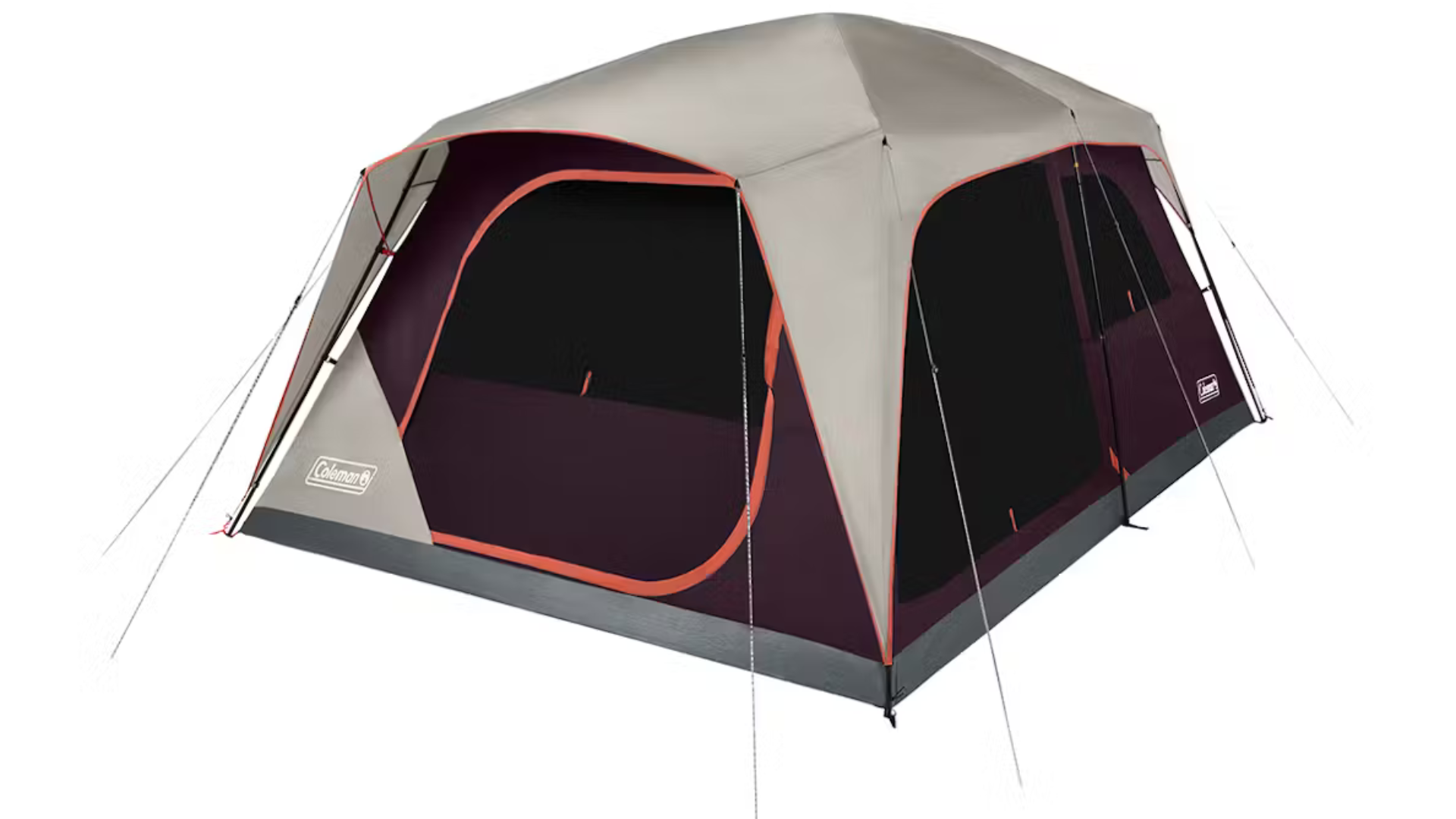
Coleman Skylodge Camping Tent
Key Features
- Easy setup with color-coded poles
- Excellent ventilation with large windows
- Spacious interior accommodating multiple queen-size airbeds
- WeatherTec system for superior water resistance
- Convertible screen room for bug-free lounging
Product Description
The Coleman Skylodge Camping Tent is an excellent choice for large families or groups seeking comfort and space during their camping adventures. With its straight-wall design, this tent offers ample headroom, allowing campers to stand up and move around comfortably inside.
One of the standout features is the abundance of natural light, thanks to the floor-to-ceiling windows. The convertible screen room adds an extra dimension to the camping experience, providing a perfect spot for relaxing without being bothered by insects.
The WeatherTec system is a notable feature based on our research. According to customer reviews, despite light rain, the tent’s interior remains dry, thanks to its durable floor and inverted seams. Reviewers also report the tent withstands winds up to 35 mph, enhancing its reliability in various weather conditions.
While not instantaneous, the color-coded poles and sleeves make the setup more manageable. However, it can still be time-consuming, especially when attempted alone. The tent’s size and weight can make transportation challenging, so it’s best suited for campsites easily accessible by car.
With ample interior space and the option to create up to three separate rooms using dividers, this tent offers exceptional versatility for large groups. The wide door design facilitates easy movement of air mattresses and gear. At the same time, built-in storage pockets help keep small items organized.
Our Product Rating
| Category | Score (out of 10) |
| Weather Protection | 8 |
| Livability and Comfort | 9 |
| Durability | 7 |
| Versatility | 7 |
| Price and Value | 6 |
| Ease of Setup | 6 |
| Aesthetics and Design | 8 |
| Total Score | 7.5 |
Additional Features
- Side awningsfor shaded outdoor living spaces
- Large mesh windows for ample ventilation
- Built-in storage pockets for organization
Specifications
| Feature | Description |
| Capacity | 12 persons |
| Dimensions | 15.5 x 11 ft. |
| Center Height | 7 ft. |
| Number of Rooms | Up to 3 with dividers |
| Weight | 34.5 lbs. |
| Material | Nylon |
| Waterproof Rating | WeatherTec™ system with inverted seams |
Recommended 10-Person Multi-Room Tent
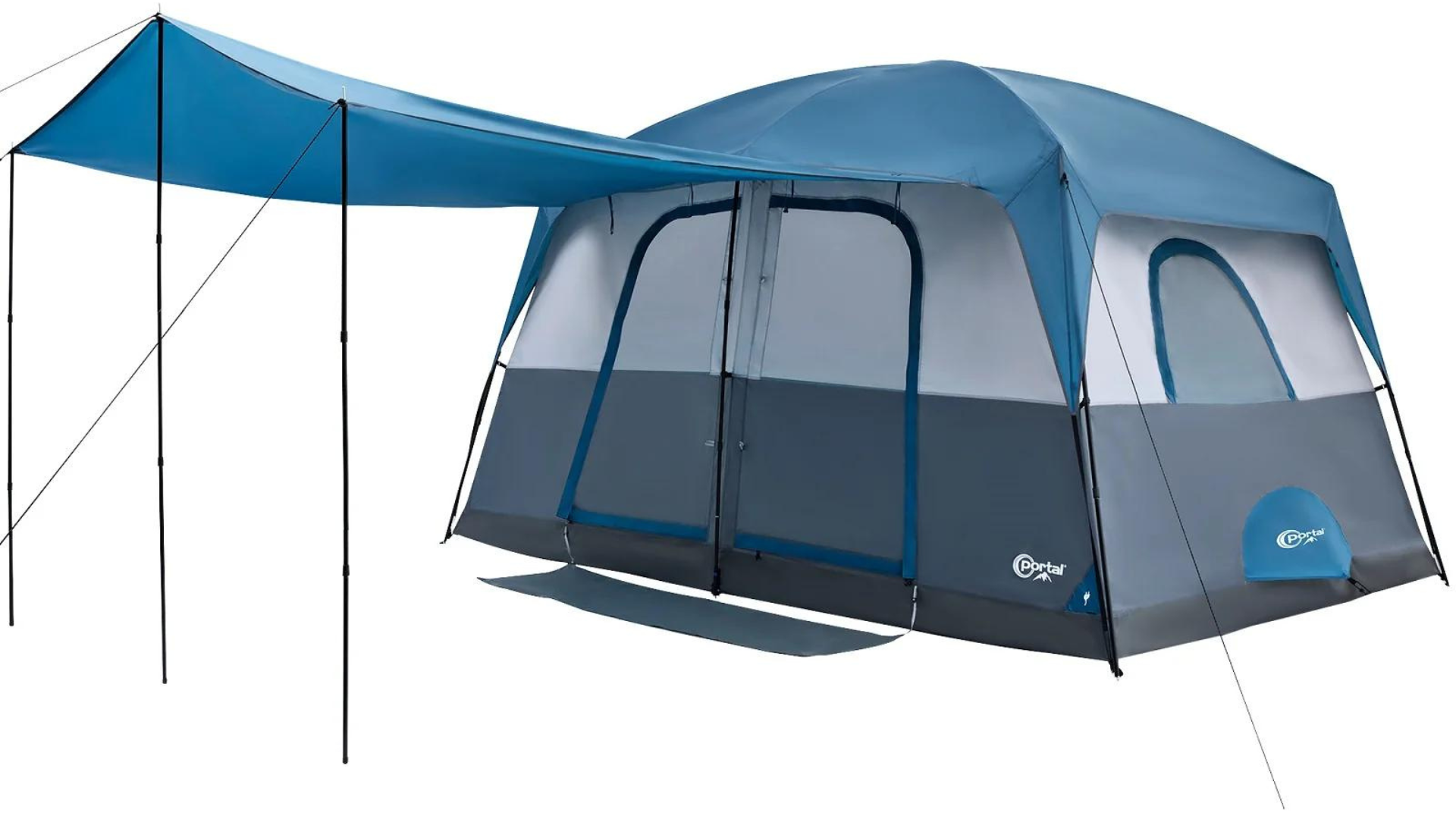
PORTAL 10-Person Camping Tent with Porch
Key Features
- Spacious interiorwith 84-inch center height
- Functional front porch area for sheltered outdoor activities
- Excellent ventilation with multiple windows and vents
- Two-room design for privacy
- Weather-resistant construction
Product Description
The PORTAL 10-Person Camping Tent with Porch offers a delightful camping experience, combining spaciousness with practical features. The roomy interior easily accommodates multiple air mattresses with room to spare. With an impressive 84-inch center height, even tall campers can stand and walk comfortably inside.
A standout feature of this tent is the attached porch, which allows you to enjoy meals or simply relax. This additional covered space enhances the overall camping experience in fair and inclement weather.
Ventilation is another highlight of the PORTAL tent. With two large doors, six mesh windows, two ground vents, and a mesh ceiling, the tent maintains excellent airflow, keeping the interior cool and well-aired. This feature is particularly appreciated during warm-weather camping trips.
Due to its size and weight, setting up the tent requires at least two people. While this might be seen as a drawback, the benefits of space and comfort more than compensate for the extra effort needed during setup.
The PORTAL 10-Person Camping Tent excels in space, ventilation, and overall comfort, making it an ideal choice for family camping trips or large groups. Despite the slightly more involved setup process, the functionality and comfort provided by this tent make it a solid choice.
Our Product Rating
| Category | Score (out of 10) |
| Weather Protection | 8.5 |
| Livability and Comfort | 9 |
| Durability | 8 |
| Versatility | 8.5 |
| Price and Value | 9 |
| Ease of Setup | 7.5 |
| Aesthetics and Design | 8 |
| Total Score | 8.3 |
Additional Features
- Color-coded poles for a more straightforward setup
- Multiple interior pockets for organization
- Electrical cord access port for convenience
- Robust frame for wind resistance
Specifications
| Feature | Description |
| Capacity | 10 person |
| Dimensions | 14′ x 10′ ft |
| Center Height | 7 ft |
| Number of Rooms | 2 with divider |
| Weight | 41.2 lbs |
| Material | 68D Polyester |
| Waterproof Rating | PU1000mm water resistance coating |
Also Great 10-Person Multi-Room Tent
UNP Family Camping Tent

Key Features
- Spacious interioraccommodating up to 10 people
- User-friendly setup process with color-coded poles
- Excellent ventilation with large mesh windows and roof
- Two-room setup with privacy divider
- Weather-resistantconstruction
Product Description
The UNP Family Camping Tent is a solid choice with several strengths and minor weaknesses. The spacious interior comfortably accommodated our group of ten with room to spare, making it an excellent choice for family or group outings.
One of the standout features is the ease of setup. Two people can set up the tent in under 10 minutes without complicated tools or instructions. The color-coded poles and clear guidelines contribute to this user-friendly setup process.
Ventilation is another strong point of the UNP Family Camping Tent. The large mesh windows and roof ensure excellent airflow, keeping the interior cool and reducing condensation. This feature is particularly appreciated during warmer camping trips.
Based on our research, the tent’s weatherproof features are reliable. According to customer reviews, it holds up well in rain without leaking. The included privacy divider, which turns the tent into a two-room setup, adds convenience and versatility to the camping experience.
However, reviewers report some flimsy zipper issues. Additionally, customer reviews note that folding the tent back into its bag is challenging when attempted alone.
Our Product Rating
| Category | Score (out of 10) |
| Weather Protection | 8.5 |
| Livability and Comfort | 9 |
| Durability | 7.5 |
| Versatility | 8 |
| Price and Value | 8 |
| Ease of Setup | 9 |
| Aesthetics and Design | 7 |
| Total Score | 8.1 |
Additional Features
- Two large doors for easy access
- Multiple storage pockets for organization
- E-portfor bringing electrical power inside the tent
Specifications
| Feature | Description |
| Capacity | 10 people |
| Dimensions | 18 x 9 ft |
| Center Height | 6.5 ft |
| Number of Rooms | 2 rooms with divider |
| Weight | 21 lbs |
| Material | 185T polyester |
| Waterproof Rating | PU1000mm water resistance coating |
Recommended 8-Person Multi-Room Tent
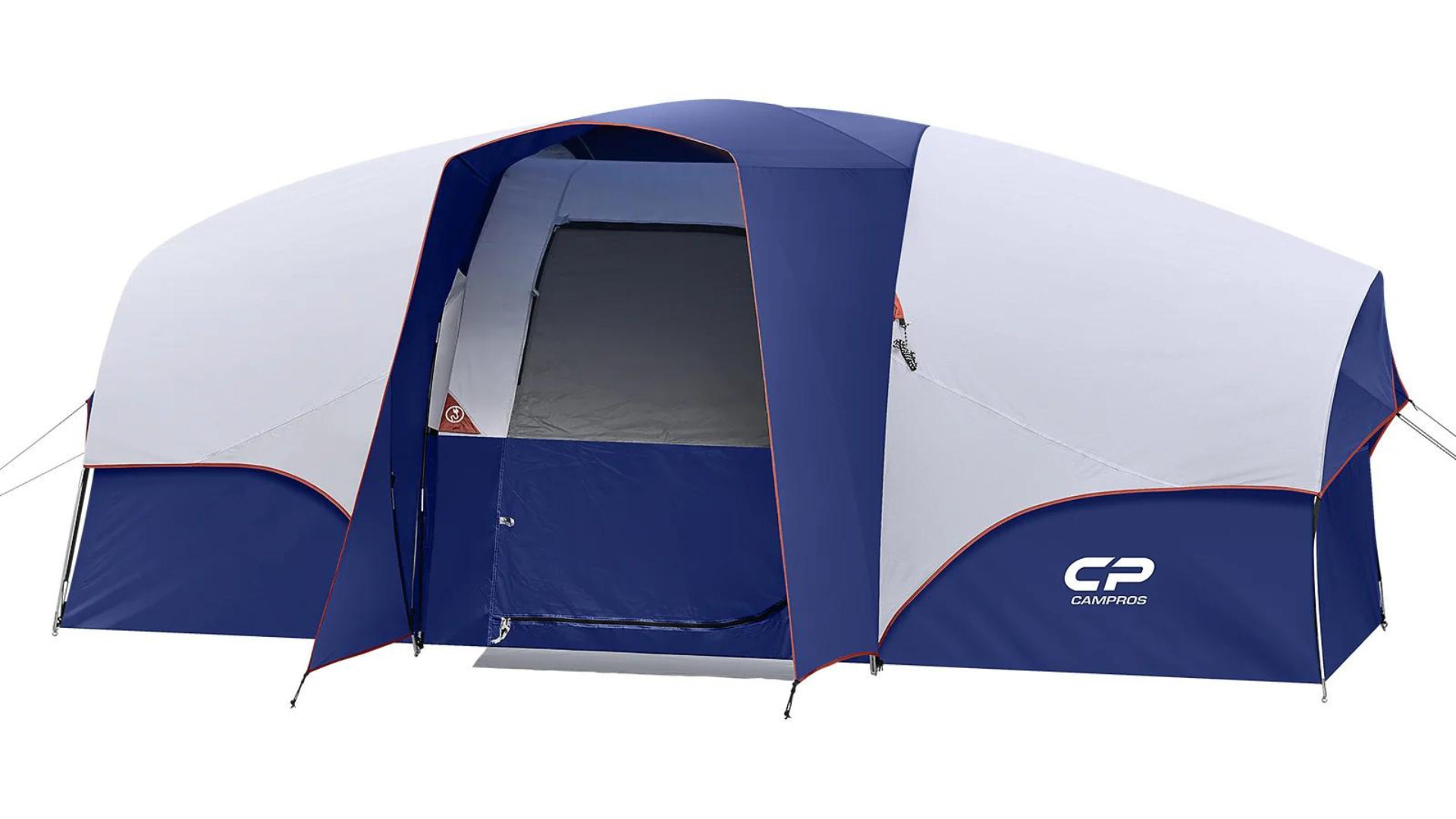
CAMPROS CP Tent
Key Features
- Generous interior space with straight wall design
- Effective water resistance with sealed seams
- Quick and simple setup with color-coded poles
- Privacy dividers for creating separate rooms
Product Description
The CAMPROS CP Tent has proven to be a reliable choice for family camping trips, offering a blend of spaciousness, ease of use, and weather protection.
Thanks to the color-coded poles, the tent’s setup is straightforward. If you’re familiar with the setup process, two people working together could erect the tent in about five minutes. This quick setup is a significant advantage, especially when arriving at a campsite later in the day or in less-than-ideal weather conditions.
One of the tent’s standout features is its spacious interior. The straight wall design and 72-inch center height allow for comfortable movement inside. We fit a queen and a full mattress with room to spare, making it an excellent choice for larger groups or families who appreciate extra living space.
Weather protection is another strong point of the CAMPROS CP Tent. The waterproof material and sealed seams kept you completely dry in our research. This level of weather resistance provides peace of mind, knowing you’ll stay protected from the elements.
The inclusion of privacy dividers is a thoughtful touch. They allow for the creation of separate rooms, which is useful for changing clothes or creating individual sleeping areas within the tent.
However, it’s worth noting that some users have reported issues with durability, particularly with the poles and fabric. This might be a concern for those planning extended or frequent camping trips.
Despite these minor considerations, the CAMPROS CP Tent scores well across various categories, making it a reliable option for family camping adventures.
Product Rating
| Category | Score (out of 10) |
| Weather Protection | 9 |
| Livability and Comfort | 8 |
| Durability | 7 |
| Versatility | 8 |
| Price and Value | 9 |
| Ease of Setup | 9 |
| Aesthetics and Design | 7 |
| Total Score | 8.3 |
Additional Features
- Multiple windows for enhanced ventilation
- Interior storage pockets for organization
- Electrical cord access port
- Sturdy carry bag for easy transport
Specifications
| Feature | Description |
| Capacity | 8 People |
| Dimensions | 14 x 9 ft |
| Center Height | 6 ft |
| Material | 185T Polyester |
| Water Resistance | 1000mm coating |
| Number of Rooms | 3 with Privacy Divider |
| Weight | 17.4 lbs |
Our Research Process
To pick the best multi-room tents, we used a quantitative review method. Each tent received a total score based on different weighted categories. Here’s how we did it:
| Category | Weight | Criteria |
| Weather Protection | 25% | Waterproofness, ventilation, wind and snow resistance based on hydrostatic head rating, denier count, and ventilation design. |
| Livability and Comfort | 20% | Interior space, peak height, floor area, number of vestibules, storage pockets, amenities using floor area, peak height, number of vents. |
| Durability | 15% | Construction quality, materials, reinforcements based on user reviews, manufacturer’s reputation using denier count, pole material, and reported longevity. |
| Versatility | 10% | Suitability for different weather conditions, terrains, weight-to-space ratio, adaptability based on the tent’s weight, and packed size. |
| Price and Value | 5% | Price vs. features, quality, warranty, customer service. |
| Ease of Setup | 20% | Setup time, complexity of instructions, number of people needed, using setup times from reviews and videos. |
| Aesthetics and Design | 5% | Visual appeal, design style, color choices, and unique features. |
The Competition
CORE 12-Person Instant Cabin Tent stands out with top marks for weather protection, comfort, and ease of setup. This tent is well-loved for its spacious interior and reliable weather resistance.
Coleman Skylodge 12-Person Cabin Tent is a close contender, offering excellent livability and durability. Its screened room is a notable feature, providing added comfort.
PORTAL 10-Person Camping Tentbalances all categories well, making it a versatile choice without breaking the bank. It’s known for easy setup and good weather resistance.
UNP Camping Tent 10-Person-Family Tentsscore high for comfort and interior space, making it perfect for families. Reviewers praise its durability and thoughtful design.
CAMPROS CP Tent 8-Person Camping Tent offers a great budget option without sacrificing comfort and space. Its lower price point makes it accessible to many.
PORTAL 6/8 Person Family Camping Tent also provides value and functionality, designed for smaller groups while retaining key features.
Ozark 10-Person 2-Room Cabin Tentand KTT Extra Large Tent offer ample space but lag slightly behind higher-ranked tents in ease of setup and weather resistance.
Smaller or more budget-friendly options like OakPedion 8-Person Tent and CAMEL CROWN models deliver basic features suitable for shorter trips or fewer people. The MoNiBloom 5-8 Person Tent and Outvita 8/10 Person Camping Tent round out the list with decent scores in most categories but might have limitations in more extreme conditions or larger groups.
We were disappointed that there really aren’t any great modular tents or multi-room tents for more than 12 people. It seems like there could potentially be a market here for larger, multi-room tents, especially with a modular design.
Comprehensive Multi-Tent Buying Guide
Tent Size and Capacity
Floor Space
- Measurement:When selecting a multi-room tent, carefully measure the floor space to ensure it comfortably accommodates your group. A good rule of thumb is to allow at least 30 square feet per person for a spacious feel. Consider not just the number of people but also their size and the amount of gear they’ll bring. Remember, a cramped tent can quickly dampen the camping experience, so err on more space when possible.
- Layout: Think critically about the tent’s layout and how it will function for your group. Imagine moving through the space, setting up sleeping areas, and storing gear. A well-designed layout can make a significant difference in comfort and convenience. Look for tents with thoughtful floor plans that separate sleeping areas from shared spaces, allowing for privacy and more accessible organization.
- Height: Pay attention to the ceiling height in your multi-room tent. Adequate headroom can transform the camping experience, allowing you to stand up straight and move around without constantly ducking. Look for tents with a peak height of at least 6 feet in the center, and pay attention to how the ceiling slopes. Some tents offer near-vertical walls, dramatically increasing the usable space inside.
Sleep Capacity
- Number of Occupants: When evaluating a tent’s sleep capacity, remember that manufacturers often list the maximum number of people who can squeeze in side by side. In practice, you’ll want more space for comfort. A good approach is to choose a tent rated for 2-4 more people than will be using it. This ensures everyone has enough room to spread out and store their gear without feeling cramped.
- Comfort: Prioritize comfort over maximum capacity when choosing your multi-room tent. While an 8-person tent may fit eight sleeping bags, it will be much more comfortable for a group of six. This extra space allows for gear storage, changing clothes, and moving around without disturbing others. When in doubt, size up – you’ll appreciate the extra room, especially on longer camping trips or in inclement weather when you spend more time inside the tent.
Number of Rooms
- Room Dividers: Look for tents with removable room dividers, as these offer the flexibility to adapt the space to your needs. These dividers can create private sleeping areas at night and be removed during the day for more open living space. When shopping, check how easy it is to set up and remove the dividers and whether they provide adequate privacy and noise reduction.
- Privacy: Consider the level of privacy each room in the tent offers. This is particularly important for family camping or when sharing with friends. Look for dividers extending fully from floor to ceiling with minimal gaps. Some high-end tents even offer solid fabric dividers instead of mesh for enhanced privacy.
- Usage: Think carefully about how you’ll use each room in your multi-room tent. A well-planned tent can have designated sleeping, storage, and living areas. For example, it could have a central living area for gathering, separate sleeping quarters for adults and children, and a vestibule for storing dirty gear. Consider tents with vestibules or awnings that can serve as mudrooms or outdoor living spaces.
Weather Resistance
Season Rating
- 3-Season vs. 4-Season: Choose between a 3-season and 4-season tent based on when and where you’ll be camping. 3-season tents are lighter and more ventilated, suitable for spring, summer, and fall use in mild conditions. They typically have more mesh panels for airflow. 4-season tents, on the other hand, are designed to withstand harsh winter conditions, with sturdier poles and less mesh. If you camp year-round or in unpredictable mountain environments, a 4-season tent might be worth the investment.
- Temperature Range: Consider the temperature range you’ll encounter on your camping trips. A good multi-room tent should be versatile enough to keep you comfortable in various conditions. Look for features like adjustable vents, which allow you to regulate airflow and temperature inside the tent. Some tents offer removable layers or convertible designs that adapt to different seasons.
Material and Durability
- Fabric:Your tent’s durability largely depends on its fabric quality. Look for materials like ripstop nylon or polyester, which resist tearing and abrasion. Pay attention to the denier (thickness) of the fabric – higher numbers indicate greater durability. For the floor, consider a tent with a higher denier fabric or a separate footprint for added protection against rocks and moisture.
- Poles: Sturdy poles are crucial for a tent’s stability and longevity. Aluminum poles offer an excellent balance of strength and lightweight. In contrast, fiberglass poles are more budget-friendly but may be less durable in the long run. When examining pole quality, look for seamless construction and reinforced stress points. Some high-end tents use carbon fiber poles for the ultimate strength-to-weight ratio.
- Seams: The strength of a tent’s seams can make or break its weather resistance. Look for double-stitched, taped seams, which provide extra protection against water penetration. During your inspection, pay close attention to high-stress areas like corners and pole attachment points. Quality tents will have reinforced seams to prevent tearing under tension.
Rainfly Coverage and Waterproof Coatings
- Complete Coverage:A full-coverage rainfly is your best defense against wet weather. It should extend well beyond the tent body, directing water away from the walls and doors. Look for designs where the fly can be guy-lined out away from the tent body, creating an air gap that improves ventilation and reduces condensation.
- Waterproof Ratings: When evaluating a tent’s waterproofing, look for a hydrostatic head rating of at least 1500mm for the fly and 3000mm for the floor. These numbers indicate how much water pressure the fabric can withstand before leaking. Higher ratings mean better water resistance but typically have a higher price tag and potentially less breathability.
- Sealed Seams: Ensure all seams are factory-sealed to prevent water from seeping through the stitching. Some tents come with sealed seams, while others may require you to seal them yourself. If you need to seal the seams, use a high-quality seam sealer and pay extra attention to stress points and areas where water is likely to pool.
Wind Resistance
- Design: An aerodynamic tent design can significantly improve wind resistance. Look for low-profile shapes with multiple anchor points. Dome-style tents often perform well in windy conditions because they can shed wind from all directions. Some tents feature wind-responsive venting systems that automatically adjust to changing conditions.
- Guy Lines: Multiple guy lines are essential for stabilizing your tent in windy conditions. Look for tents with pre-attached, reflective guy lines for easy, low-light setup. The more anchor points a tent has, the more stable it will be in strong winds. Practice setting up your guy lines before your trip to ensure you can quickly secure your tent if the weather turns.
- Stake Quality: High-quality stakes are crucial for keeping your tent grounded in windy conditions. Look for sturdy aluminum or steel stakes rather than lightweight plastic ones. Y-shaped or V-shaped stakes offer better-holding power in loose soil. Consider carrying extra stakes and a mallet for secure anchoring in various ground conditions.
Condensation
- Ventilation:Proper ventilation is critical to reducing condensation inside your tent. Look for multiple vents, including low vents to allow cool air in and high vents to let warm, moist air escape. Some tents feature adjustable vents that can be opened or closed depending on weather conditions, allowing you to fine-tune the airflow.
- Mesh Panels: Mesh panels promote airflow while keeping insects out. Look for tents with large mesh panels on the doors and windows and mesh roof sections. The more mesh, the better the ventilation, but remember that this can also affect warmth in cooler conditions.
- Rainfly Design: A well-designed rainfly should allow for ventilation without compromising waterproofing. Look for rainflies with built-in vents or the ability to be propped open at the corners. Some innovative designs feature “eyebrow” vents over doors and windows, allowing air circulation even when the fly is fully deployed.
Ease of Setup and Takedown
- Easy Assembly: When choosing a multi-room tent, prioritize a tent that is straightforward to setup. Look for color-coded poles and connection points, which can significantly speed up the setup process. Some tents feature clip-on attachments instead of pole sleeves, making connecting the tent body to the frame much easier. Consider the number of people typically available to help with setup – some larger tents may require multiple people to erect safely.
- Instant Setup: Instant tents have gained popularity for their convenience. These models often have pre-attached poles that must be extended and locked into place. While they can be heavier and bulkier when packed, the time saved on setup can be worth it, especially for frequent campers or those with limited mobility.
- Provided Instructions: Clear, detailed instructions are crucial, especially for complex multi-room tents. Look for tents that come with well-illustrated setup guides. Some manufacturers even offer online video tutorials, which can be incredibly helpful for visual learners. Before your first camping trip, practice setting up your new tent at home. This will familiarize you with the process and allow you to identify potential issues before you’re out in the wilderness.
- Weight: Consider the tent’s weight and packed size, especially if you’ll carry it any distance from your vehicle. While car camping allows for heavier, more spacious tents, you’ll still want to ensure it’s manageable for your group to transport and set up. Some tents come with multiple storage bags to distribute the weight among several people, which can be particularly useful for larger family tents.
Ventilation and Airflow
- Ventilation System:A well-designed ventilation system is crucial for maintaining comfort in your multi-room tent. Look for tents with multiple vents strategically placed to promote air circulation. High and low vents create a chimney effect, drawing cool air in from the bottom and expelling warm, moist air from the top. Some advanced tents feature adjustable vents that allow you to fine-tune airflow based on weather conditions and personal preference.
- Ceiling Vents:Ceiling vents play a vital role in managing the tent’s internal climate. They allow hot air to escape, reducing condensation and keeping the interior cooler during warm weather. When examining ceiling vents, check for sturdy, weatherproof covers that can easily open and close inside the tent. Some high-end models feature vents that can remain open even during light rain, thanks to clever design features like small awnings over the openings.
- Cross Ventilation:Effective cross ventilation can significantly improve comfort in your multi-room tent. Look for designs with windows or vents on opposite sides of the tent, allowing for natural airflow that helps regulate temperature and reduce stuffiness. When setting up your tent, orient it to take advantage of prevailing breezes. Remember, good ventilation isn’t just about comfort; it also helps prevent condensation that can promote mold and mildew growth, extending your tent’s life.
Safety Features
- Fire Retardant: Look for tents that meet CPAI-84 fire-safety standards, the industry benchmark for tent flame resistance. While fire-retardant chemical treatments can slow the spread of fire, they wear off over time—CPAI-84 compliance is the more reliable indicator. Always practice fire safety around your tent regardless.
- Reflective Elements: Look for tents with reflective elements on guy lines, zippers, and tent corners. These small but important features increase visibility in low-light conditions, reducing the risk of tripping hazards around your campsite. Some tents even incorporate glow-in-the-dark zipper pulls or tent pegs, which can be incredibly helpful when nature calls at night.
- Secure Closures: Check all zippers and closures for security and ease of use. Look for heavy-duty, snag-free zippers that operate smoothly. Some tents feature lockable zippers to secure your tent, which can be particularly reassuring when camping in busy areas or leaving your tent unattended.
Customization and Expandability
- Modular Design:Tents with modular designs offer the flexibility to adapt to different group sizes and camping needs. Look for options that add or remove sections, creating a customized living space. Some innovative designs even allow you to connect multiple tents, creating a sprawling campsite setup perfect for large groups or family reunions.
- Connectable Tents: Check if the tent can be connected to other tents or shelter systems. This feature can be handy for large-group camping, allowing you to create separate spaces for sleeping, dining, and socializing. When evaluating connectable tents, consider how easy they are to link together and whether the connections are weatherproof. You may also consider an SUV tent that connects to your vehicle.
- Accessory Compatibility: A tent compatible with various accessories can significantly enhance your camping experience. Look for models that offer add-ons like gear lofts, lighting systems, or custom groundsheets. Some manufacturers produce entire ecosystems of compatible products, allowing you to customize your tent to your specific needs over time.
Convenience Features
Vestibules/Awning
- Storage:Vestibules provide additional storage space, keeping your main living area clutter-free. When evaluating vestibules, consider their size and shape. Look for designs that offer enough room to store bulky items like coolers or camping chairs while allowing easy access to the tent’s entrance. Some tents feature multiple vestibules, particularly useful for larger groups or gear-heavy trips.
- Protection: A well-designed awning can significantly enhance your camping experience by providing a sheltered outdoor living space. Look for awnings that offer adequate protection from both sun and rain. Some innovative designs feature adjustable awnings that can be positioned to block wind or maximize shade depending on the sun’s position. Consider the ease of setup and stability in windy conditions when evaluating awning designs.
- Size:Vestibules and awnings can vary significantly between tent models. When assessing size, consider your typical camping style and gear requirements. Larger vestibules can serve as mudrooms or gear organization areas for family camping or longer trips. Some tents offer the option to add extra vestibule space with attachable accessories, providing flexibility for different trips.
Windows and Doors
- Number: A multi-room tent’s number of windows and doors can significantly impact ventilation, accessibility, and overall comfort. Multiple entry points are handy in larger tents, allowing occupants to come and go without disturbing others. When evaluating windows, consider both their size and placement. Strategically placed windows can provide scenic views and improve cross-ventilation.
- Mesh: High-quality mesh on windows and doors is essential for keeping insects out while allowing air to circulate. Look for fine, durable mesh that can withstand regular use without tearing. Some advanced tents feature different mesh grades for various parts of the tent, using finer mesh in sleeping areas for better protection against smaller insects.
- Zippers: The quality of zippers can make a big difference in your camping experience. Look for oversized, sturdy zippers that operate smoothly, even when the fabric is tense. YKK zippers are known for their reliability. Some tents feature two-way zippers on doors, allowing for ventilation options and easier access. Consider how the zippers are protected from the elements, such as storm flaps or welded seams.
Interior Pockets
- Storage:Multiple interior pockets can significantly enhance organization within your multi-room tent. Look for a variety of pocket sizes and styles to accommodate different items. Mesh pockets are excellent for visibility and breathability, while solid fabric pockets offer more privacy. Some tents feature hanging organizers or removable storage systems that can be customized to your needs. Consider how the pockets are distributed throughout the tent – ideally, each sleeping area should have easy access to storage.
- Accessibility: The placement of pockets is just as important as their number. Ensure that pockets are easily reachable from sleeping areas, allowing campers to keep essential items like flashlights, phones, or water bottles within arm’s reach. Some tents feature pockets at different heights, catering to adults and children. Look for pockets near doors for storing shoes or other items you might need when entering or exiting the tent.
- Size: Pocket sizes should accommodate a range of items. While small pockets are helpful for personal items, more oversized pockets or gear lofts can hold bulkier gear. Some tents offer specialized pockets, such as tablet-sized pockets for electronics or insulated pockets to keep drinks cool. Consider your typical camping gear and choose a tent with pocket sizes that match your needs.
Clips and Loops
- Hanging Gear: Strategically placed clips and loops can significantly expand your tent’s storage capacity and organization options. Look for sturdy loops along the ceiling for hanging lanterns or gear lofts. Some tents feature adjustable clips or daisy chains along the walls, allowing you to customize your storage setup. These features are beneficial for keeping gear off the ground in wet conditions or for drying clothes inside the tent.
- Durability: Ensure clips and loops are securely attached to the tent’s structure. They should be reinforced to handle the weight of hanging gear without tearing or pulling away from the fabric. Metal clips or loops are more durable than plastic ones, though they may add slightly to the tent’s overall weight. Test the strength of these features before relying on them to hold valuable or heavy items.
- Placement: The placement of clips and loops can significantly affect their usefulness. Look for options that offer versatility in different areas of the tent. Ceiling loops should be placed in the center and towards the corners for more hanging options. Wall clips or loops should be at various heights to accommodate different gear sizes. Some tents feature external loops for hanging wet gear or attaching guy lines for extra stability in windy conditions.
Integrated Flooring
- Material: The floor of your multi-room tent is your barrier against ground moisture and should be made of durable, waterproof material. Look for heavy-duty fabrics like ripstop nylon or polyester with a high denier count. Some tents feature a “bathtub” floor design, where the waterproof material extends a few inches up the tent walls, providing extra protection against splashing or standing water.
- Seams:Pay close attention to how the floor seams are constructed and sealed. Factory-taped seams offer the best protection against water ingress. Some high-end tents feature welded seams, which can be even more waterproof than taped seams. Check that the seams are reinforced at high-stress points, particularly where the floor meets the walls and around stake-out points.
- Attachment: How the floor attaches to the tent walls can impact waterproofing and durability. Look for designs where the floor material wraps up the sides of the tent before connecting to the walls, creating a waterproof barrier. Some tents offer removable floors for easier cleaning or the option to use just the rainfly and poles for a lightweight shelter. Consider whether this flexibility is important for your camping style.
Portability and Storage
- Packed Size: Consider how the tent’s packed size will fit in your vehicle and storage space at home. Some multi-room tents can be bulky when packed, so measure your available space before purchasing. Look for tents with compression straps or stuff sacks that help reduce packed size. Some models feature separate bags for poles, tent body, and rainfly, allowing for more flexible packing options.
- Carrying Case: A durable, well-designed carrying case can make transporting your tent much more manageable. Look for cases with reinforced handles and sturdy zippers. Some high-end tents come with backpack-style carrying cases, which can be particularly useful if you need to take the tent any distance from your vehicle. Consider whether the case has extra pockets for stakes, guy lines, or repair kits.
- Weight Distribution: Weight distribution becomes an important factor for larger multi-room tents. Some manufacturers offer modular packing systems where different components can be carried separately, allowing you to distribute the weight among group members. This can be particularly useful for family camping trips where gear needs to be carried some distance. Consider whether the tent can be partially set up with just the rainfly and poles for a lighter option on some trips.
Electrical Access
- E-Port: Built-in electrical ports can be a convenient feature for campers who need to power devices or use electric heating. Look for weatherproof designs that can be securely closed when not in use. Some tents feature multiple e-ports in different rooms, allowing for more flexible power distribution. Consider the port’s size and whether it can accommodate various cord types.
- Cable Management:Good cable management features can help organize your tent and reduce tripping hazards. Look for tents with built-in cable routing options, such as fabric sleeves or loops along the tent walls. Some advanced designs include integrated cable organizers or power strip pockets to keep electronics tidy and moisture-protected.
Color and Visibility
- Campsite Visibility: The color of your tent can affect how easily you can locate it in a crowded campground or forested area. Bright colors like orange or yellow are obvious, which can be beneficial in emergencies. However, if you prefer a more discreet camping experience, earth tones like green or brown might be more suitable.
- Heat Absorption: Tent color can impact internal temperature. Lighter colors reflect more sunlight, potentially keeping the tent cooler in hot weather. Darker colors absorb more heat, which can be beneficial in cooler conditions but may make the tent uncomfortably warm in direct sunlight. Consider the climate you’ll be camping in most frequently when choosing a color.
- Aesthetics: While functionality should be the primary concern, your tent’s aesthetic appeal can enhance your overall camping experience. Choose a color that you find visually pleasing, and that complements your other camping gear. Some manufacturers offer multiple color options for the same tent model, allowing you to personalize your choice.
Price and Value
- Budget:Determine your budget based on how frequently you plan to use the tent and in what conditions. While opting for the cheapest option is tempting, investing in a higher-quality tent can save money in the long run through improved durability and camping experiences. Consider the cost per use over the expected lifespan of the tent.
- Features vs. Cost: Compare features across different price points to find the best value for your needs. Make a list of must-have features and nice-to-have features to help prioritize. Spending a bit more can get you significant upgrades in materials, waterproofing, or convenience features that greatly enhance your camping experience.
- Warranty:Check the manufacturer’s warranty. A longer warranty period often indicates the company’s confidence in its product’s durability. Some brands offer lifetime warranties against defects, providing peace of mind for a significant investment. Consider also the brand’s reputation for customer service and honoring warranty claims.
Brand Reputation and Reviews
- Brand Reputation: When investing in a multi-room tent, the brand’s reputation can strongly indicate quality and reliability. Look for manufacturers with a long-standing history in outdoor gear production. These companies often have extensive experience in tent design and materials, leading to more refined and durable products. However, don’t dismiss newer brands entirely – some may offer innovative features or exceptional value. Research the brand’s commitment to customer service and its policies on repairs or replacements, as this can make a significant difference if issues arise with your tent.
- Customer Reviews:Reading through customer reviews can provide valuable insights into the real-world performance of a tent. Consider reviews from users with similar camping habits or who have used the tent in conditions similar to what you anticipate. Look for patterns in the feedback – if multiple users mention the same pros or cons, these are likely accurate reflections of the tent’s performance. Be wary of reviews that seem overly positive or negative without specific details. Some experienced campers have found that reviews mentioning long-term use (over multiple seasons) are particularly helpful in assessing a tent’s durability and value.
- Expert Reviews: Seek out reviews from outdoor gear experts and professional testers. These individuals often have experience with a wide range of tents. They can provide comparative insights that average users might miss. Look for reviews that include rigorous testing in various weather conditions and over extended periods. Some reputable outdoor magazines and websites conduct annual tent tests, which can be an excellent resource for up-to-date information on the latest models. Remember that while expert opinions are valuable, your needs may differ from their testing criteria, so balance their advice with your requirements.
Environmental Impact
- Eco-Friendly Materials: Many campers are increasingly concerned about the environmental impact of their gear. Look for tents made from recycled materials or those produced using environmentally friendly processes. Some manufacturers now offer tents made from recycled polyester or use PFC-free water-repellent coatings. While these options may sometimes come at a higher price point, they allow you to minimize your environmental footprint while enjoying nature.
- Sustainable Practices: Research the brand’s commitment to sustainable manufacturing practices. Some companies have initiatives to reduce waste, use renewable energy in production, or offset their carbon footprint. Others may have programs for recycling old tents or repairing gear to extend their lifespan. Supporting these brands can align your purchases with your environmental values. Consider also the packaging – some eco-conscious brands are moving towards minimal, recyclable packaging for their tents.
- Leave No Trace:Choose a tent that supports Leave No Trace principles. This might include light-colored, discreet designs that blend into the environment or robust construction that doesn’t shed microfibers. Some tents come with educational materials on responsible camping practices. While these features might not directly impact the tent’s performance, they reflect a brand’s commitment to environmental stewardship and can help you camp more responsibly.
Maintenance and Care
- Cleaning:Opt for tents with easy-to-clean materials and designs. Look for fabrics that can be wiped down or gently washed without damaging waterproof coatings. Some tents feature removable floors or flysheets that can be cleaned separately, making maintenance easier. When purchasing, check the manufacturer’s cleaning recommendations – some may suggest specific cleaning products or methods to maintain the tent’s performance and longevity. Experienced campers often recommend cleaning your tent after each trip, even if it doesn’t appear dirty, to prevent the buildup of invisible contaminants that can degrade the fabric over time.
- Repair:Check if a repair kit is included with the tent or available for purchase separately. A good repair kit should consist of patches for both the tent body and the rainfly and seam sealer. Some high-end tents have more comprehensive repair kits, including spare parts for zippers or poles. Familiarize yourself with basic repair techniques or look for tents from brands that offer repair services. Making minor repairs in the field can be crucial for extending your tent’s lifespan and ensuring a successful camping trip, even if mishaps occur.
- Storage: Proper storage is essential for extending your tent’s lifespan. Look for tents with breathable storage bags, which allow any residual moisture to evaporate. Store it loosely in a cool, dry place away from direct sunlight. Some campers recommend periodically setting the tent indoors during long storage periods to air it out and check for any developing issues. Consider whether your tent has adequate storage space when not used, as proper storage can significantly impact its longevity.
Unique Multi-Room Tent Features for Family Camping
- Kid-Friendly Features: When camping with children, look for tents with features designed to enhance safety and enjoyment for younger campers. Lower windows allow kids to enjoy views and feel connected to the outdoors. Glow-in-the-dark zipper pulls can help children navigate the tent at night without fumbling. Family-oriented tents include built-in night lights or star-gazing panels in the roof, making bedtime more exciting for kids. Consider also the layout of the tent – some models offer smaller ‘cubby’ areas that children love to claim as their own space.
- Pet Compatibility: For families camping with pets, certain tent features can make the experience more enjoyable for everyone. Look for durable flooring that can withstand paw traffic and is easy to clean. Some tents offer pet doors or lower mesh windows that allow pets to see outside without compromising the tent’s insect protection. Consider ventilation – good airflow is critical when camping with pets to manage odors and keep everyone comfortable. Some campers recommend tents with removable room dividers, allowing you to create a dedicated space for your pet if needed.
Unique Multi-Room Tent Features for Festival Camping
- Blackout Technology: For festival-goers, sleep quality can significantly impact the experience. Look for tents with blackout or dark room technology, which can block up to 99% of daylight. This feature allows for better sleep, especially after late nights, and can keep the tent cooler during hot days. Some tents offer this technology in specific rooms, allowing for versatile use of the space.
- High Visibility: In a sea of tents at a festival, quickly locating your own is crucial. Opt for tents with bright colors or unique patterns. Some brands offer customizable flags or banners that can be attached to your tent. Reflective guy lines or tent corners can help you find your way back in the dark.
- Sound Insulation: While no tent can completely block festival noise, some models offer better sound insulation than others. Look for tents with thicker fabrics or double-wall construction. Some high-end models even incorporate sound-dampening materials in their design. While these features add weight, they can significantly improve sleep quality in noisy environments.
- Multiple Entrances: In the busy atmosphere of a festival, having multiple entrances to your tent can be a game-changer. This feature allows for easier access and better traffic flow, especially when sharing the tent with friends. Look for designs where each room has its entrance for maximum convenience.
- Security Features: Festival camping often means leaving your tent unattended for long periods. You will want to consider how to secure your tent. Look for tents with lockable zippers or built-in security pockets for valuables. Some models offer reinforced stake-out points that are more difficult to tamper with. While no tent is entirely theft-proof, these features can provide security and peace of mind.
- Group Compatibility: For festival-goers camping with friends, look for tents that can connect to others. Some models offer linking systems that allow you to create a communal space between individual sleeping areas. This setup can enhance the social aspect of festival camping while still providing private spaces when needed.
Unique Multi-Room Tent Features for Living in a Tent Full-Time
- Durability: Durability is paramount for those planning to live in a tent full-time. Look for tents with the toughest materials, such as high-denier ripstop fabrics and military-grade waterproof coatings. Aluminum poles offer the best balance of strength and weight for long-term use. Some expedition-grade tents are designed for extended use in harsh conditions and may be suitable for full-time living.
- Ventilation: Good air circulation is crucial when living in a tent full-time to prevent condensation, mold, and odors. Look for tents with multiple vents, including ground-level vents and roof vents. Some models offer adjustable ventilation systems that can be fine-tuned for different weather conditions. Consider also the placement of doors and windows to create cross-ventilation.
- Structural Stability: Look for tents with robust internal frames to avoid sagging and maintain livability over time. Geodesic or semi-geodesic designs often offer the best stability for long-term use. Some tents designed for base camping or expedition use feature extra poles or reinforced stress points that can withstand continuous setup. Consider also the quality of the guy-out points and stakes, as these play a crucial role in maintaining the tent’s shape over time. Consider whether the tent will fit nicely on a tent platform as a long-term base.
- Entrance Design: When living in a tent full-time, the entrance becomes a heavily used feature. Look for designs with vestibules large enough to serve as a mudroom or storage area. Some tents offer multiple entrances, which can be particularly useful for long-term living, allowing you to designate areas for different purposes. Consider also the design of the door itself – large, D-shaped doors tend to be more convenient for frequent use than smaller, zippered entrances.
TL;DR
For those seeking multi-room tent camping accommodations, the CORE 12-Person Instant Cabin Tent is the top choice for large groups. It offers rapid setup, excellent weather protection, and ample living space with three separate rooms. For a slightly smaller option, the PORTAL 10-Person Camping Tent provides outstanding features, including a functional front porch and robust weather resistance. Families or smaller groups might prefer the CAMPROS CP 8-Person Tent, which offers easy setup and good value without sacrificing comfort or space.
Other noteworthy options include the Coleman Skylodge 12-Person Camping Tent, known for its excellent livability and durability, and the UNP 10-Person Family Tent, which scores high on comfort and thoughtful design. Each tent provides unique features to enhance your camping experience, from instant setup capabilities to superior ventilation systems and weather protection.